Don't Let the “Lifesaver” Turn into “Dry Straw”: 6 Golden Rules for Using Keratin Hair Masks
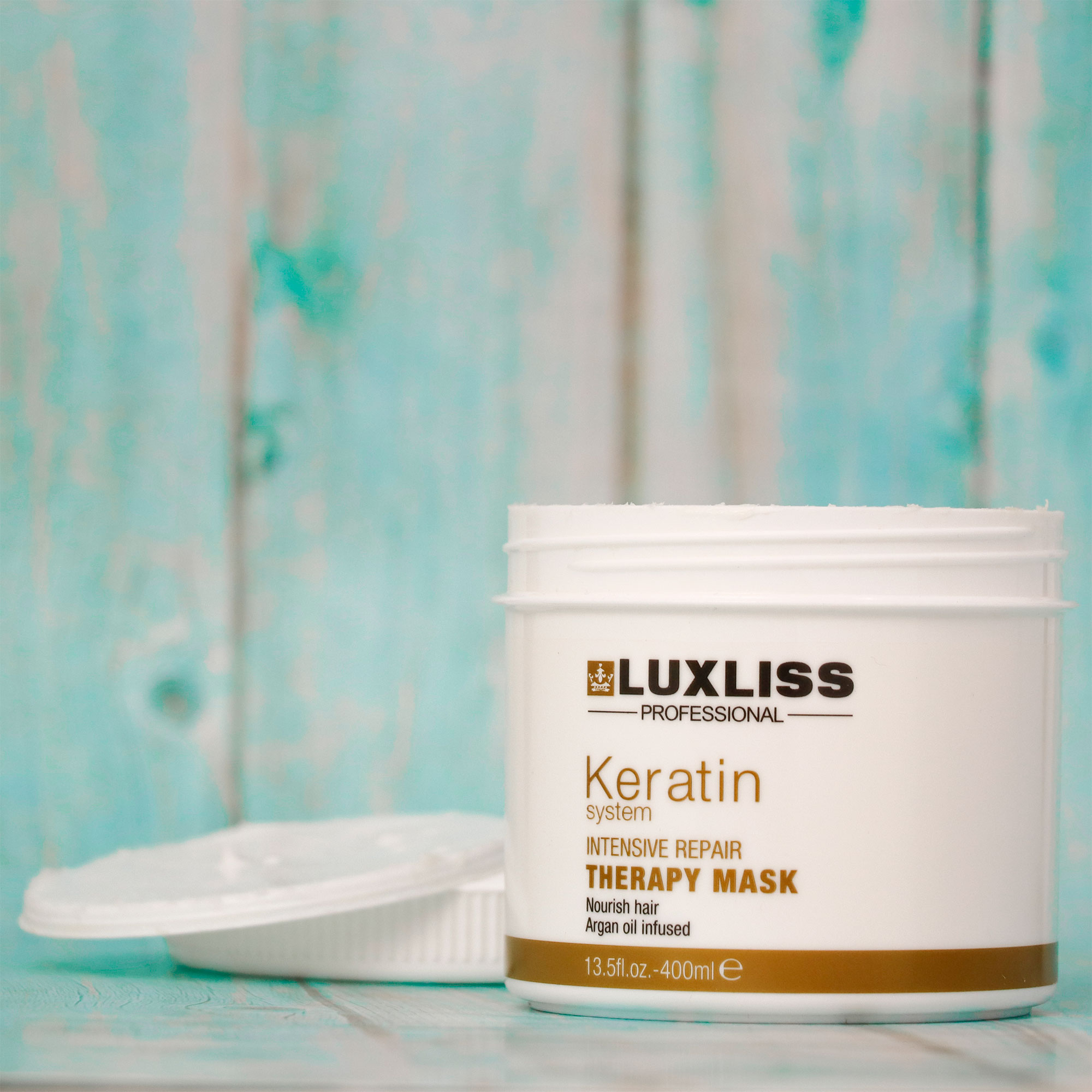
For anyone seeking beautiful, healthy hair, a jar of keratin hair mask is a must-have in the bathroom. Often called the “hair architect,” this product penetrates deep into the hair shaft to replenish lost protein and repair damaged areas.
But have you ever noticed that sometimes, after using a hair mask, your hair actually becomes stiff or even prone to breakage? This may not be the product’s fault, but rather a result of common usage mistakes. Today, let’s discuss a few essential things to keep in mind when using keratin hair masks.
But have you ever noticed that sometimes, after using a hair mask, your hair actually becomes stiff or even prone to breakage? This may not be the product’s fault, but rather a result of common usage mistakes. Today, let’s discuss a few essential things to keep in mind when using keratin hair masks.
1. Frequency Is Key: Don’t Overdo It
While keratin is beneficial, your hair’s absorption capacity has its limits.
· Note: Overuse can lead to “protein overload,” making your hair overly stiff, losing its elasticity, and even becoming as brittle as dry straw.
· Recommendation: For healthy hair, once a week is sufficient; for severely damaged hair (such as after bleaching or coloring), no more than twice a week.
2. Thorough cleansing is essential
A hair mask isn’t a “magic fix.” If there are styling product residues or excess oil on your hair, the keratin molecules simply can’t penetrate.
· Note: You must first deep-clean your hair with shampoo.
·Tip: After washing, make sure to towel-dry until your hair is no longer dripping wet before applying the mask. Excess moisture dilutes the mask’s concentration and hinders absorption.
3. Avoid the roots; focus on the mid-lengths and ends
The natural oils secreted by the scalp are sufficient to moisturize the areas near the hair follicles.
·Note: Unless the product explicitly states it’s safe for the scalp, start applying from the strands below your ears.
· Reason: Keratin hair masks typically contain nourishing oils; direct contact with the scalp may clog pores or cause hair to look flat.
4. Apply Evenly: Don’t Forget Your Comb
Many people are in the habit of just running their hands through their hair a couple of times and calling it a day, which can result in some strands being “over-nourished” while others are “starved.”
·Tip: After applying the mask, gently comb through your hair with a wide-tooth comb. This ensures every strand is evenly coated with the nourishing keratin.
5. Timing: Longer isn’t always better
Do you also tend to watch TV for half an hour after applying a hair mask?
·Note: Strictly follow the time specified in the instructions (usually 5–15 minutes).
·Reason: Leaving it on too long won’t increase absorption; instead, it may weaken your hair due to prolonged exposure to moisture, causing it to swell (hygral fatigue).
6. Rinse with Warm Water to Remove All Residue
Incomplete rinsing is the main cause of greasy, sticky hair.
·Tip: Rinse thoroughly with warm water until the water runs clear and your hair no longer feels slippery. Warm water helps close the cuticles, locking in the nutrients just applied.
Summary
Keratin hair masks are a “double-edged sword”: used correctly, they leave hair as smooth as silk; used incorrectly, they leave it as brittle as a withered vine. Remember these three key principles—**“moderation, precision, and thoroughness”—and you’re already halfway to achieving healthier hair.

What Is Keratin Smoothing Treatment? Beginner's Complete Guide
The Secret to Silky Hair: What Role Does Keratin Play in Hair Straightening?