The Key Shampoo Ingredients & Their Benefits
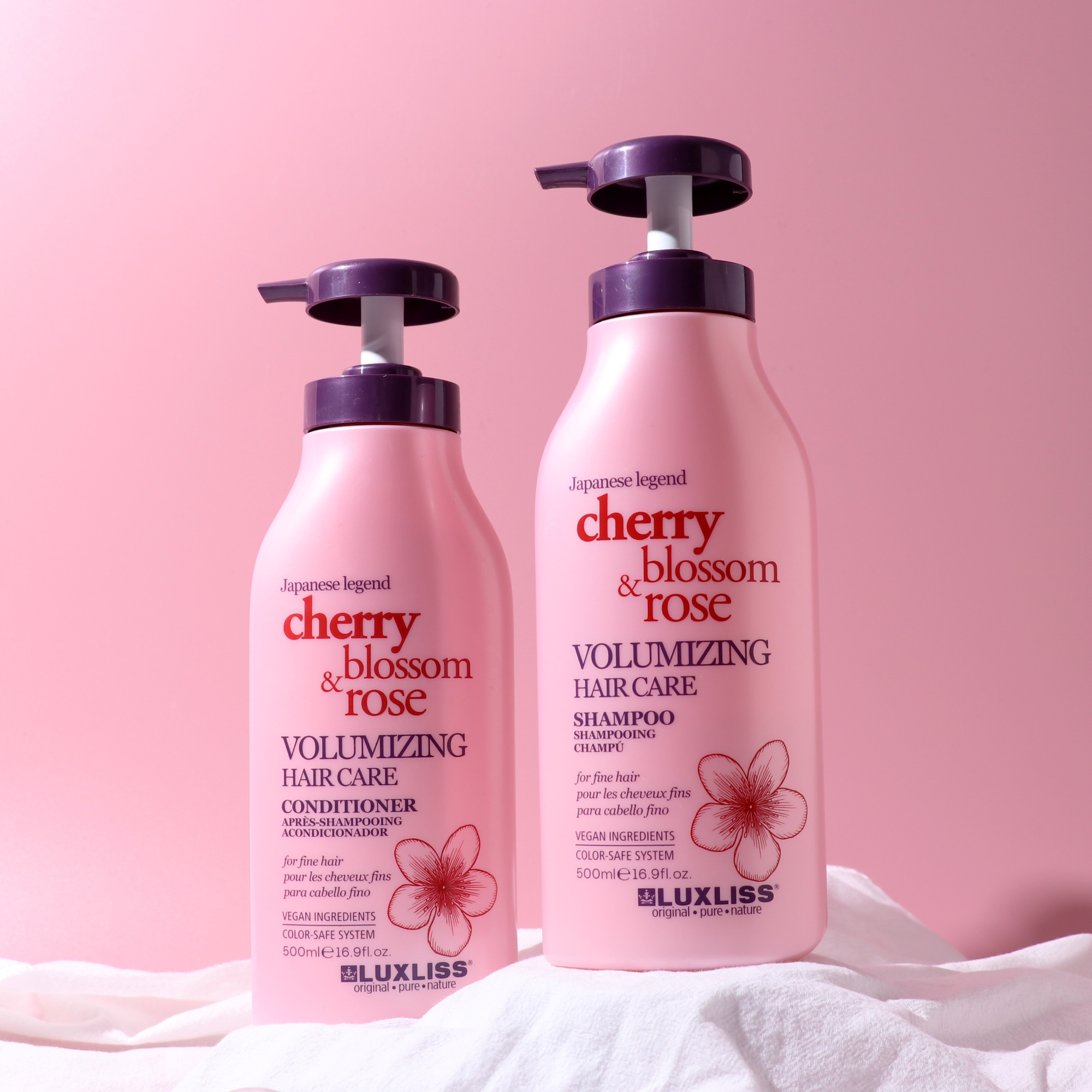
There are so many shampoos on the market, but how do you know which ones truly nourish your hair? The secret lies in understanding what goes into your shampoo—and how each ingredient works to cleanse, repair, and enhance your locks. You can make an informed choice for your hair’s unique needs. Let’s explore the key ingredients in Luxliss shampoos and how they work for you.
1. Cleansing Agents: The Base of Every Shampoo
Sulfate-Free Surfactants (Gentle Cleansers)
What they do: Remove dirt, oil, and buildup without harsh stripping.
Why Luxliss uses them: Traditional sulfates (like SLS) can dry out hair—our sulfate-free formulas cleanse gently while maintaining moisture.
Coconut-Based Cleansers
What they do: Create a rich lather while being ultra-mild.
Bonus: Adds natural shine and softness.
2. Hydrating & Repairing Ingredients
Argan Oil
What it does: Deeply moisturizes, reduces frizz, and adds shine.
Best for: Dry, damaged, or color-treated hair.
Keratin
What it does: Rebuilds broken hair bonds, strengthens strands, and smooths cuticles.
Best for: Chemically treated or heat-damaged hair.
Aloe Vera
What it does: Soothes the scalp, reduces irritation, and locks in hydration.
Best for: Sensitive or flaky scalps.
Biotin (Vitamin B7)
What it does: Strengthens hair follicles, reduces breakage, and promotes growth.
Best for: Thinning or weak hair.
3. Natural Extracts for Specialized Care
Peppermint Oil
What it does: Stimulates blood flow to the scalp, encouraging growth.
Best for: Thinning hair or scalp rejuvenation.
Green Tea Extract
What it does: Rich in antioxidants, it protects hair from environmental damage.
Best for: Color-treated or sun-exposed hair.
Chamomile Extract
What it does: Brightens blonde hair naturally and calms the scalp.
Best for: Blondes or sensitive scalps.
4. Ingredients to AVOID in Shampoos
- Not all ingredients are hair-friendly. Here’s what Luxliss never includes:
- Sulfates (SLS/SLES) – Strip natural oils, causing dryness.
- Parabens – Potential hormone disruptors.
- Silicones – Creates buildup, weighs hair down.
- Formaldehyde – Harsh preservative, damages hair over time.


What Makes a Shampoo Effective?
How to Repair Damaged Hair?